The Evolving Role of Surveyors in 2026
As we move further into 2026, the role of surveyors is undergoing significant transformation, driven by advancements in technology, changing regulations, and an increased focus on sustainability. These professionals are no longer just the technicians who measure land, but are becoming vital contributors to urban planning, infrastructure development, and environmental protection. The landscape of surveying is evolving, and staying abreast of these changes is crucial for success in today’s competitive market. When exploring options, Surveyors as we all surveys showcases how modern surveyors integrate technology and expertise to enhance project outcomes.
New Technologies Reshaping Surveying Practices
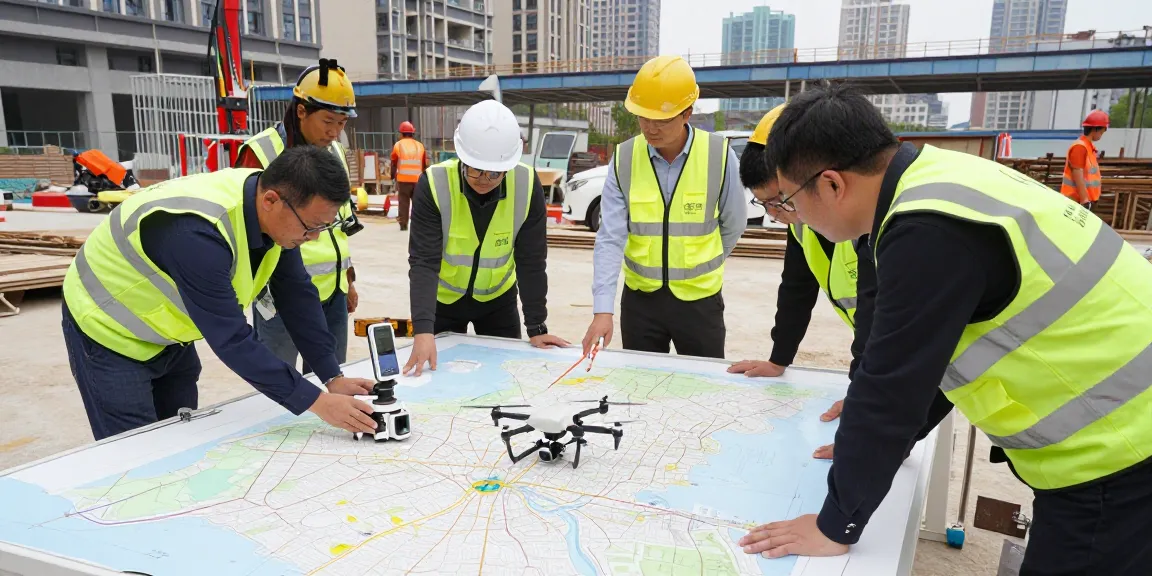
The integration of new technologies has revolutionised surveying practices. Tools such as drones, laser scanning, and advanced geospatial software have enhanced the precision and efficiency of surveys. Drones enable surveyors to access hard-to-reach areas, providing aerial views that were previously time-consuming and costly to obtain. Laser scanning has improved the accuracy of measurements, allowing for detailed 3D models of structures and landscapes. Moreover, software that incorporates AI and machine learning is streamlining data analysis, making it easier for surveyors to identify patterns and derive insights.
Adapting to Regulatory Changes in the Industry
Regulatory changes are continuously impacting the surveying industry. In 2026, surveyors must stay informed about new compliance requirements, particularly those related to environmental sustainability and urban development. Adapting to these changes often means undertaking additional training and certifications. For instance, the PAS 128 standard, which governs underground utility surveys, is becoming increasingly critical as more construction projects seek to avoid utility conflicts. Surveyors need to incorporate these regulations into their workflows to ensure compliance and enhance service delivery.
Surveyors’ Influence on Sustainable Development
Surveyors are playing an essential role in promoting sustainable development. By providing accurate land assessments and data analyses, they help governments and private entities make informed decisions that align with sustainability goals. This includes assessing land for renewable energy projects, ensuring environmentally-sensitive areas are preserved, and facilitating smart urban design that minimises ecological footprints. The expertise of surveyors is pivotal in shaping sustainable practices across various sectors, particularly in urban planning and construction.
Understanding Different Types of Surveys
In the surveying industry, understanding the different types of surveys is crucial for delivering tailored solutions to clients. Each type of survey serves specific purposes and employs distinct methodologies that cater to various project requirements. Being knowledgeable about these surveying methods enhances service delivery and client satisfaction.
Topographical Surveys: Importance and Applications
Topographical surveys are fundamental tools for understanding the physical characteristics of a site. They capture the terrain’s features, including elevations, depressions, vegetation, and man-made structures. This information is invaluable for architects, engineers, and planners when designing buildings, roads, and other infrastructure. The data collected during topographical surveys help in creating accurate site plans that guide construction processes and land development. Furthermore, the introduction of 3D visualisation techniques has made it easier for stakeholders to interpret survey data, allowing for more informed decision-making.
PAS 128 Utility Mapping Explained
PAS 128 is a specification for the identification and mapping of underground utilities, essential for avoiding costly construction delays and safety hazards. This type of survey employs techniques such as Ground Penetrating Radar (GPR) to detect utilities hidden underground. Surveyors must follow stringent protocols to ensure they provide accurate and reliable data that meets PAS 128 standards. The growing emphasis on utility mapping underscores the importance of thorough planning before any excavations take place, thereby contributing to safer construction environments.
Benefits of Measured Building Surveys
Measured building surveys provide detailed representations of a building’s dimensions and layouts, including floor plans, elevations, and cross-sections. These surveys are instrumental for renovation projects, ensuring that any modifications are compliant with existing structures. They offer architects, engineers, and contractors a precise reference point for their designs and help mitigate risks associated with construction errors. In the context of heritage buildings, measured building surveys can also aid in maintaining historical integrity while implementing modern improvements.
Common Challenges Faced by Surveyors
Despite their expertise, surveyors encounter several challenges in their work. Being able to navigate these obstacles is critical to maintaining project timelines and ensuring client satisfaction. Understanding these challenges can help surveyors implement strategies that enhance their effectiveness and adaptability.
Overcoming Technical Obstacles in Surveying
Technical challenges can arise during the surveying process, particularly when using advanced equipment and software. Issues such as equipment malfunction, data errors, and software compatibility can hinder progress. To address these challenges, surveyors must stay updated on the latest technologies and invest in regular maintenance and training. Building a strong support infrastructure, including access to technical experts, can also facilitate quicker resolutions to technical issues.
Client Expectations vs. Reality in Survey Projects
Managing client expectations is a prevalent challenge in surveying. Clients often have specific visions of project outcomes that may not align with practical realities. Effective communication is key to bridging this gap. Surveyors should ensure clients are well-informed about what their services entail and set realistic timelines and budgets. Providing regular updates throughout the survey process can help manage expectations and foster stronger client relationships.
Dealing with Environmental and Legal Constraints
Environmental regulations and legal constraints can significantly impact survey projects. Surveyors must navigate local laws, zoning regulations, and environmental protection standards, often requiring them to adapt their methodologies. Staying informed about changes in regulations and engaging with legal experts when necessary can help surveyors remain compliant and avoid potential liabilities.
Best Practices for Effective Surveying
Implementing best practices in surveying can enhance outcomes and streamline processes. These practices involve utilising advanced tools, committing to professional development, and ensuring effective client communication.
Utilising Advanced Tools for Accuracy
The adoption of advanced surveying tools is essential for achieving high accuracy standards. Technologies such as drones and laser scanners provide precise measurements, while software solutions facilitate data analysis and visualization. Embracing these tools can lead to more efficient workflows and improved reliability of survey results, ultimately benefiting clients through enhanced service delivery.
Importance of Continuous Professional Development
In an ever-evolving industry, continuous professional development is vital for surveyors. Staying abreast of new technologies, methodologies, and regulations through workshops, webinars, and certification courses ensures that surveyors remain competitive. This commitment to learning enhances their skill sets and increases their credibility among clients and peers.
Strategies for Successful Client Communication
Clear and open communication with clients is essential for successful surveying projects. Surveyors should establish regular communication channels, provide status updates, and be transparent about challenges and their implications on timelines and budgets. Building trust through effective communication can lead to repeat business and referrals, which are invaluable for long-term success.
The Future of Surveying: Trends to Watch
The surveying industry is on the cusp of significant changes, driven by technological innovations and evolving client needs. Understanding these trends is crucial for surveyors aiming to remain relevant and competitive.
Innovations in Survey Technology by 2026
In the coming years, innovations such as AI-driven analytics, enhanced 3D modelling, and improved GPR technologies will likely redefine surveying practices. These innovations promise to enhance accuracy, reduce survey times, and provide deeper insights into project data. Surveyors who embrace these advancements early on will position themselves as leaders in the field.
The Growing Demand for Surveyors in Urban Development
As urban areas continue to grow, the demand for qualified surveyors is projected to increase. Cities are evolving rapidly, necessitating skilled professionals to oversee development projects, ensure compliance with local regulations, and address environmental concerns. This trend presents ample opportunities for surveyors to expand their services and expertise in urban planning.
Predictions for Surveying Standards and Practices
The future will likely see a consolidation of surveying standards aimed at enhancing reliability and efficiency. New practices may emerge to standardise data collection, enabling better integration across different disciplines within the construction and engineering sectors. Surveyors must be adaptable and ready to integrate new standards into their workflows to maintain compliance and service quality.
What is the significance of modern survey methods?
Modern survey methods, including digital and automated techniques, significantly enhance accuracy and efficiency. They allow surveyors to capture data in real-time, reducing human error and streamlining workflows. These advancements are essential for meeting the increasing demands of clients and projects in a timely manner.
How can surveyors ensure compliance with regulations?
Surveyors can ensure compliance by staying informed about changes in legislation and industry standards. Regular training, attending workshops, and participating in professional bodies can provide the knowledge necessary to navigate regulatory landscapes effectively. Furthermore, collaborating with legal experts can facilitate adherence to local laws and regulations.
What are the key skills needed for surveyors in 2026?
Key skills for surveyors in 2026 will include proficiency in advanced technologies, strong analytical abilities, and effective communication skills. The ability to adapt to new tools and methodologies, interpret data accurately, and convey complex information to clients will be paramount for success in the industry.
How is technology impacting surveying techniques?
Technology is transforming surveying techniques by introducing tools that increase accuracy and efficiency. For instance, the use of drones for aerial surveys provides a comprehensive overview of a site, while GPR technology allows for safe and effective detection of underground utilities. These advancements enable surveyors to work more effectively and provide better service to clients.
What are the future trends for land surveying?
Future trends in land surveying are expected to focus on enhanced data integration, greater reliance on automation, and improved collaboration among stakeholders. The emphasis on sustainability and environmentally-friendly practices will also shape the services offered by surveyors, ensuring they remain relevant in a rapidly changing industry.