
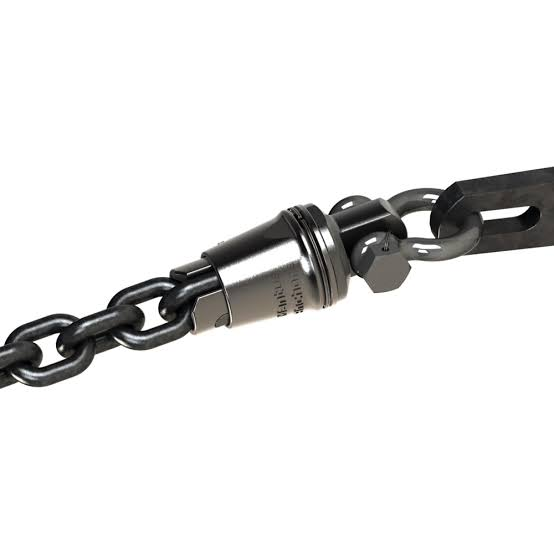
A reliable anchoring system is one of the most important safety features on any boat. While anchors, chains and ropes receive most of the attention, one small component often makes a significant difference—the anchor swivel. This simple but highly effective fitting connects the anchor to the chain, allowing it to rotate freely and helping prevent the chain from twisting during anchoring and retrieval.
Whether you own a sailing yacht, fishing boat or motorboat, a quality swivel can improve the efficiency of your anchoring system while reducing wear on expensive equipment.
When a boat changes direction because of wind, waves or tidal movement, the anchor may rotate several times on the seabed. Without a swivel, these movements can twist the anchor chain, making anchor retrieval more difficult and increasing stress on the entire anchoring system.
Installing an anchor swivel provides several important advantages:
- Reduces chain twisting
- Improves anchor alignment during retrieval
- Helps the anchor rotate freely
- Minimises unnecessary strain on the chain
- Supports smoother operation with many bow roller systems
These benefits can improve both convenience and long-term reliability.
How Anchor Swivels Work
An anchor swivel is installed between the anchor and the anchor chain. Its rotating mechanism allows the anchor to turn independently without transferring rotational force into the chain.
As the boat swings with changing currents or wind, the swivel absorbs the movement and helps keep the chain straight. This reduces tangles and allows the anchor to position itself correctly during recovery.
For many modern anchoring systems, this simple component helps create smoother deployment and retrieval while protecting the entire setup.
Choosing the Right Anchor Swivel
Not every swivel is suitable for every boat. Selecting the correct model depends on several factors, including:
- Anchor weight
- Chain size
- Working load limit
- Material quality
- Compatibility with the bow roller
Marine-grade stainless steel is one of the most popular materials because it offers excellent strength and corrosion resistance in saltwater environments. High-quality forged swivels also provide better durability under heavy loads.
For dependable anchoring performance, many boat owners choose Anchor Swivels designed specifically for marine use and matched to their anchor and chain dimensions.
Maintenance Tips
Although anchor swivels require very little maintenance, regular inspections help ensure reliable performance.
Recommended checks include:
- Rinse with fresh water after saltwater use.
- Inspect for corrosion or surface damage.
- Check the locking pins before each season.
- Ensure the swivel rotates freely.
- Replace the unit if excessive wear or deformation is visible.
Routine maintenance helps prevent unexpected failures while extending the life of the anchoring system.
Common Applications
Anchor swivels are suitable for many types of boats, including:
- Sailing yachts
- Cabin cruisers
- Fishing boats
- RIBs and inflatable boats
- Motorboats
- Offshore recreational vessels
They are particularly useful on boats that anchor frequently or operate in areas with changing tides and currents.
Conclusion
An anchor swivel may be a small piece of marine hardware, but it plays a vital role in maintaining a safe and efficient anchoring system. By reducing chain twist, improving anchor alignment and minimising wear on the chain, it helps make anchoring simpler and more reliable.
Investing in a high-quality swivel, together with regular inspections, ensures smoother anchor handling and greater confidence whenever you drop anchor.